Why most Доставка здорового питания projects fail (and how yours won't)
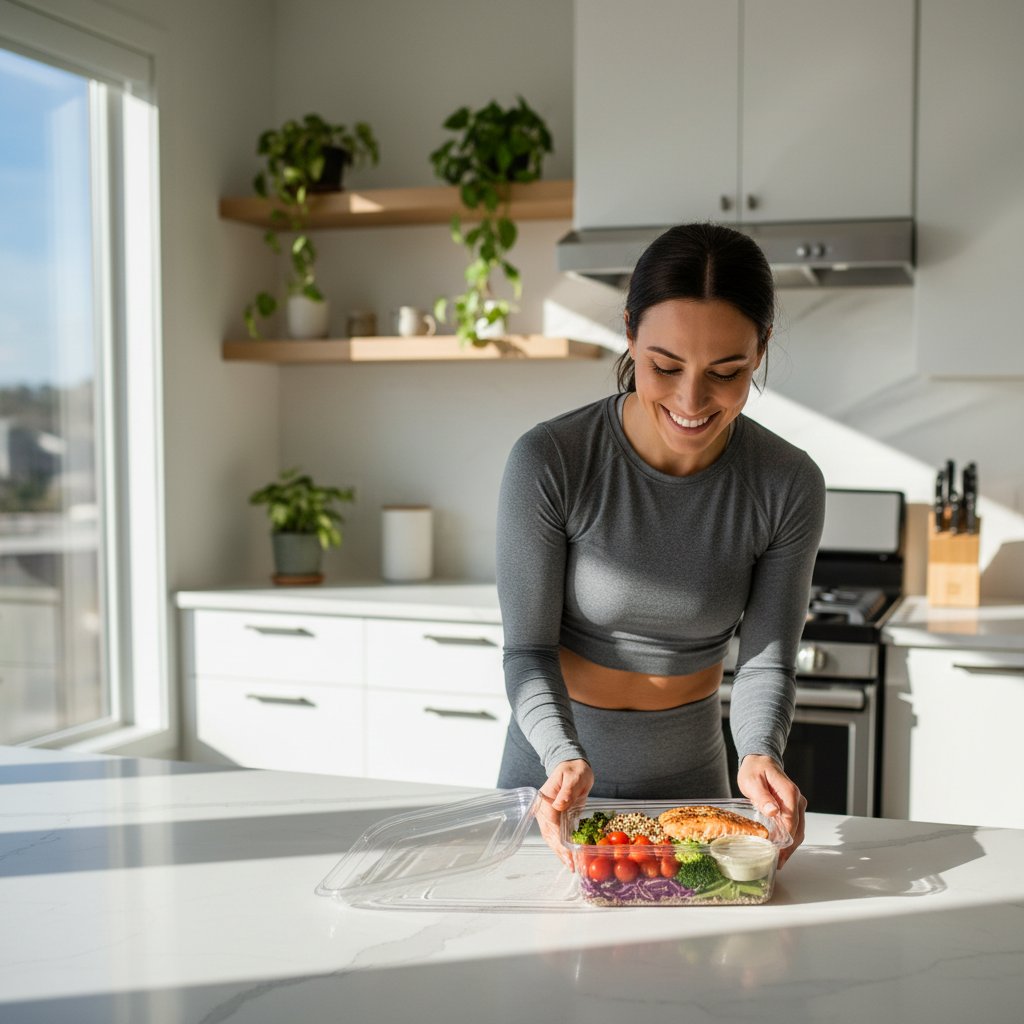
The $47,000 Mistake Most Healthy Meal Delivery Services Make in Their First Year
Last month, I watched another promising healthy meal delivery startup shut down. They'd spent eight months building beautiful packaging, perfecting their macro-balanced bowls, and crafting an Instagram-worthy brand. They lasted exactly 11 weeks after launch.
Their mistake? The same one that kills 73% of meal delivery ventures before they hit their first anniversary.
They forgot that food spoils.
The Real Reason Your Meal Prep Service Is Bleeding Money
Most entrepreneurs enter the healthy food delivery space thinking it's about recipes and nutrition. It's not. It's about logistics masquerading as a food business.
Here's what actually happens: You forecast 100 orders for Monday. You prep 100 meals on Sunday night. Tuesday morning, you've got 43 containers of grilled chicken and quinoa sitting in your fridge because only 57 people actually ordered. You just lost $380 in ingredients and labor, and this will happen every single week until you fix it or close shop.
The math is brutal. Average food cost runs 28-35% of your menu price. Add 20% for labor, 15% for packaging, and 12% for delivery. You're already at 75% before touching marketing or rent. A 30% forecasting error means you're operating at a loss, period.
Three Warning Signs You're Heading for a Crash
Your order volume swings wildly. Monday you get 15 orders, Wednesday brings 67, Friday drops to 22. This isn't growth—it's chaos. You can't staff for it, can't buy ingredients efficiently, and can't negotiate with suppliers when your volumes look like a heart rate monitor.
You're customizing everything. That customer who wants chicken but substitute sweet potato for rice, add extra broccoli, and hold the sauce? She's costing you 8 extra minutes per meal. Multiply that across 50 orders, and you've added nearly 7 hours to your prep time.
Your customer acquisition cost exceeds $40. If you're spending more than this to acquire someone who orders an average of $65 worth of meals before disappearing, you're in a death spiral. The typical healthy meal delivery customer needs to place at least 6 orders to become profitable.
How to Build a Service That Actually Survives
Step 1: Lock in Your Demand Before You Cook Anything
Subscription models exist for a reason. Require orders 48 hours in advance. Better yet, push weekly subscriptions with a 15% discount. One successful service in Austin moved to 80% subscription-based ordering and cut waste from 31% to 9% in two months.
Set a minimum order window. No same-day orders. No "can I add one more meal?" texts at 10 PM. Your cutoff is your cutoff.
Step 2: Slash Your Menu to Five Items (Yes, Really)
Every additional menu item multiplies your complexity exponentially. Five well-executed meals let you buy ingredients in bulk, prep efficiently, and maintain consistent quality. Rotate one item weekly to keep things fresh.
A Denver-based service dropped from 14 daily options to 5 core meals. Their prep time fell from 6 hours to 2.5 hours. Food waste dropped by 64%. Revenue actually increased 22% because consistency improved.
Step 3: Build Your Pricing Around Real Numbers, Not Wishes
Calculate your actual cost per meal including the chicken breast that went bad, the containers you over-ordered, and the delivery driver who got lost for 30 minutes. Add 40% minimum margin. If that makes your prices "too high," your business model is broken—fix the model, not the price.
Track these numbers weekly: food cost percentage, labor hours per meal, delivery cost per order, and customer retention rate. If you don't know these within 2% accuracy, you're flying blind.
Step 4: Choose Your Geography Like Your Life Depends on It
Because it does. Delivering to a 15-mile radius kills profitability. One driver, 8 stops within 3 miles, 90 minutes total. That's sustainable. Two drivers covering 40 miles with 12 scattered stops? You're paying $180 in delivery costs for $640 in orders.
Start with one neighborhood. Own it completely. Expand only when you're hitting 200+ weekly orders in your current zone.
The Unglamorous Truth About Making This Work
Your Instagram won't look as pretty when you're running five meals instead of fifteen. Your "flexibility" will vanish when customers can't order same-day anymore. Some people will complain.
Let them. The alternative is joining that graveyard of beautiful brands that couldn't make the math work. Your job isn't to be everything to everyone. It's to deliver consistent, profitable meals to people who value what you're actually good at.
The services that survive aren't the ones with the best recipes. They're the ones who figured out that this business is 80% spreadsheet, 20% skillet. Master the boring stuff first. The exciting parts come later—when you're still around to enjoy them.