The real cost of Доставка здорового питания: hidden expenses revealed
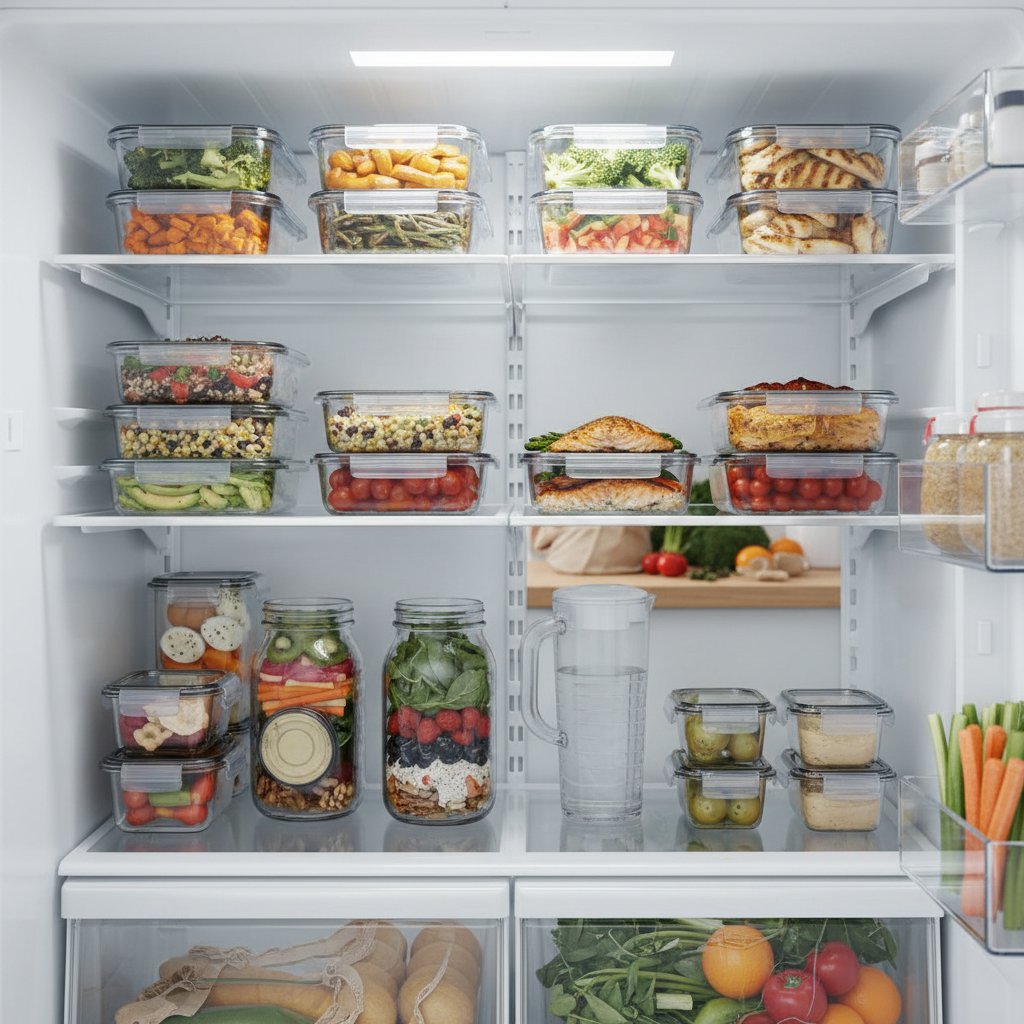
Sarah thought she'd cracked the code. After months of meal prep burnout and too many sad desk lunches, she signed up for a healthy meal delivery service. The website promised fresh, nutritious meals for about $12 per serving. Simple math, right? Three months later, she realized she was spending nearly 40% more than that advertised price. Welcome to the hidden economics of healthy meal delivery services.
The Sticker Shock Nobody Talks About
Those Instagram-perfect meals arriving at your door? They're part of a booming industry that's projected to hit $20 billion globally by 2027. But here's what the glossy marketing photos don't show you: the real cost extends far beyond that per-meal price tag.
Most services advertise their base price—usually between $8 and $15 per meal. Sounds reasonable until you start reading the fine print. That's when things get interesting.
Delivery Fees: Death by a Thousand Cuts
Let's start with the obvious one. Delivery fees typically run $5 to $10 per order, though some services waive them if you hit a minimum order threshold. But here's the catch: meeting that minimum often means ordering more food than you actually need.
One major provider charges $8.99 for delivery unless you order at least six meals. Do the math on a weekly subscription, and you're adding roughly $35 to $40 monthly just for the privilege of having food show up at your door.
The Subscription Trap
Many services push you toward subscriptions with promises of "exclusive savings." Sure, you might save $2 per meal. But you're also locked into a recurring charge that's surprisingly difficult to pause or cancel. Miss your weekly cutoff window? Too bad—you're getting charged whether you need the food or not.
Industry data shows that 68% of meal delivery subscribers report difficulty managing their subscription schedules. That's not an accident.
The Packaging Problem Nobody Mentions
Here's something that caught Sarah off guard: the environmental guilt tax. Each meal arrives in its own container, wrapped in ice packs, nestled in insulated bags, all inside a cardboard box. Disposing of this packaging responsibly—or even storing it for recycling—becomes a part-time job.
Some services charge a $5 "sustainability fee" to offset their packaging impact. Others just absorb it into their pricing, which means you're paying for it anyway. Either way, that's another hidden line item.
Customization Costs Add Up Fast
Want to swap out an ingredient because you're allergic to shellfish? That'll be $3 extra. Prefer organic proteins? Add another $4 to $6 per serving. Need meals that fit specific dietary requirements beyond the basic plans? Premium pricing kicks in, sometimes adding 30-40% to your base cost.
A registered dietitian I spoke with noted: "Clients come to me confused about why their 'affordable' meal service is costing them $400 monthly. When we break it down, the customizations they need for their health conditions are doubling the advertised price."
The Waste Factor
Here's an uncomfortable truth: you won't love every meal. Industry surveys suggest customers actually consume only about 75% of the food they receive. Some meals just don't hit right, or your plans change, or you're simply not hungry.
That unused food sitting in your fridge? You paid full price for it. At $12 per meal, wasting even two meals per week means you're throwing away roughly $100 monthly.
Comparing the Real Numbers
When you factor in all these hidden costs, here's what a "typical" meal delivery budget actually looks like:
- Base meal cost: $240 (20 meals at $12)
- Delivery fees: $36 monthly
- Customization charges: $40
- Wasted meals: $50
- Sustainability/packaging fees: $20
Your real monthly spend? Around $386 for what was advertised as $240 worth of meals. That's a 60% markup from the sticker price.
What the Companies Won't Tell You
Meal delivery services operate on thin margins—typically 5-8% profit. To stay viable, they've engineered their pricing structures to look competitive while recouping costs through these additional fees. It's not necessarily predatory, but it's definitely strategic.
One former operations manager at a major delivery service told me: "We knew customers focused on the per-meal price. Everything else was just noise to them until they got their first few bills."
Key Takeaways
- Advertised per-meal prices can be 40-60% lower than actual costs once fees are included
- Delivery fees, customizations, and subscription minimums are your biggest hidden expenses
- Calculate your "waste rate"—most users only consume 75% of delivered meals
- Read cancellation policies before subscribing; some require 3-4 weeks notice
- Track your actual spending for two months before committing long-term
Look, healthy meal delivery services absolutely have their place. For busy professionals, people managing health conditions, or anyone who genuinely hates cooking, they can be worth every penny. Just make sure you know what those pennies actually add up to.
Sarah eventually found her sweet spot: ordering twice monthly instead of weekly, sticking to standard meals without customizations, and treating the service as a supplement rather than her primary food source. Her costs dropped by nearly half, and she stopped feeling that monthly budget anxiety.
The trick isn't avoiding these services—it's going in with eyes wide open to what you're really paying for.