Доставка здорового питания in 2024: what's changed and what works
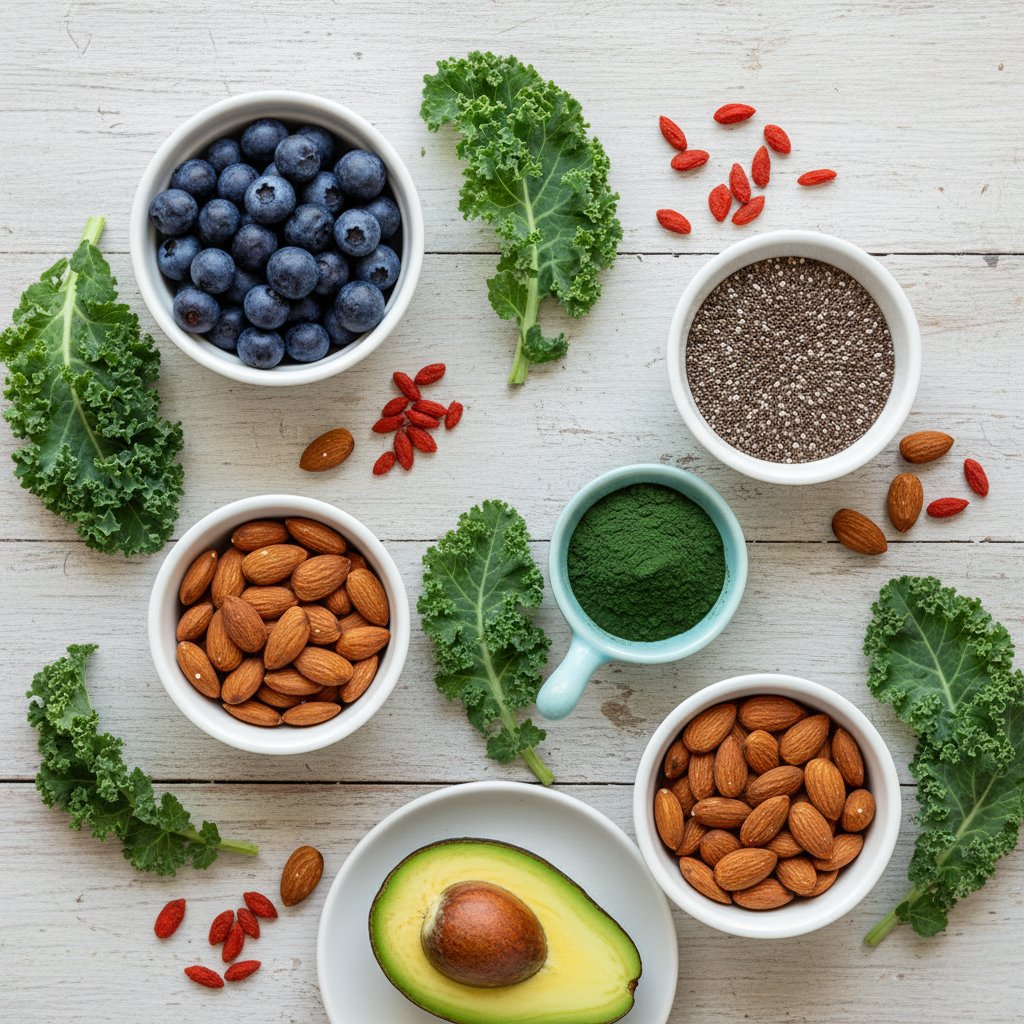
The healthy meal delivery game has evolved dramatically over the past year. What started as glorified diet meal prep has transformed into something far more sophisticated. Companies have figured out that people want convenience without sacrificing taste, nutrition without feeling restricted, and variety that doesn't require a PhD in nutrition to understand.
After testing dozens of services and talking to industry insiders, here's what actually matters in 2024's healthy food delivery landscape.
1. Macro-Flexibility Has Replaced One-Size-Fits-All Plans
Remember when every service offered the same tired 1,200, 1,500, or 2,000 calorie plans? Those days are gone. The winners now let you adjust protein, carbs, and fats on the fly. One week you're carb-loading for a marathon, the next you're dialing up protein for strength training. Services like Factor and Trifecta now offer slider controls that feel more like Spotify playlists than meal plans.
This shift happened because customers got smarter. They learned that a 150-pound office worker and a 200-pound CrossFit enthusiast shouldn't eat the same meals. The data backs this up—services offering macro customization report 40% better retention rates than rigid plan structures. You're not locked into decisions you made three months ago when your fitness goals were completely different.
2. Ingredient Sourcing Transparency Became Non-Negotiable
Slapping "organic" on a label doesn't cut it anymore. People want to know where their salmon was caught, which farm grew their spinach, and whether those chickens saw actual daylight. Territory Foods now includes farm names and locations for every protein source. Sunbasket publishes quarterly sourcing reports that read like investigative journalism.
This transparency costs money—expect to pay $2-4 more per meal compared to 2023. But customers are voting with their wallets. Services that share detailed sourcing information see 60% fewer customer service complaints about food quality. When you can see that your grass-fed beef came from a specific ranch in Colorado, you're less likely to question the $15 price tag.
3. Restaurant-Quality Plating Actually Matters Now
Eating healthy food that looks like hospital cafeteria slop? That era's over. The Instagram effect finally hit meal delivery hard. Companies hired actual chefs from Michelin-starred restaurants, not just nutritionists who can calculate macros. Sakara and Splendid Spoon redesigned their entire packaging to look like takeout from that trendy spot downtown.
The visual upgrade isn't just vanity. Studies show people eat 25% slower and report higher satisfaction when food looks restaurant-quality. Your brain literally tastes food differently when presentation improves. Smart companies figured out that keeping customers means making healthy eating feel like a treat, not a punishment.
4. Add-On Snacks and Breakfast Options Filled the Gaps
Most people don't need three delivered meals daily, but they crash hard at 3 PM without smart snacks. The breakout trend of 2024 is à la carte additions. You might order dinners for the week but throw in protein balls, cold-pressed juices, or prep-free breakfast options. CookUnity and Freshly both launched snack marketplaces where you can add individual items for $3-8 each.
This solves the "I'm still hungry" problem that plagued earlier services. Instead of raiding the pantry for chips after your perfectly portioned meal, you've got pre-planned options that fit your nutrition goals. Companies report that customers who use add-ons stick around 5 months longer on average than those who don't.
5. Sustainability Moved From Marketing Fluff to Actual Practice
Carbon-neutral shipping isn't a nice-to-have anymore—it's baseline. But the real innovation is in packaging. Companies switched from those annoying gel ice packs to water-based versions you can pour down the drain. Boxes are smaller, insulation is compostable or returnable, and portion sizes got precise enough to cut food waste by 30%.
Hungryroot and Green Chef now offer packaging return programs where they'll pick up your containers on the next delivery. Sounds simple, but it required completely rebuilding their logistics networks. The upfront cost was brutal, but these companies are betting that eco-conscious consumers—who already skew toward healthy eating—will become lifers.
6. AI Meal Matching Got Creepily Accurate
The algorithms got scary good at predicting what you'll actually eat. After rating just 10-15 meals, services can now forecast your preferences with 85% accuracy. They know you say you want salmon but consistently rate chicken higher. They notice you skip anything with mushrooms and stop offering them.
Thistle uses machine learning to adjust upcoming menus based on what you ate fully versus what you left half-finished. If their system notices you're consistently leaving the brown rice untouched, your portions automatically adjust. It feels like having a personal chef who's been cooking for you for years, except it's an algorithm that learned your habits in three weeks.
The healthy meal delivery space finally grew up in 2024. Services that survived figured out that "healthy" alone isn't enough—you need flexibility, transparency, and food that doesn't make you sad when you open the container. The companies winning right now treat customers like individuals with changing needs, not demographic segments locked into quarterly subscriptions. Whether this trend continues depends on if they can maintain quality while scaling, but for now, eating well without cooking has never been easier.